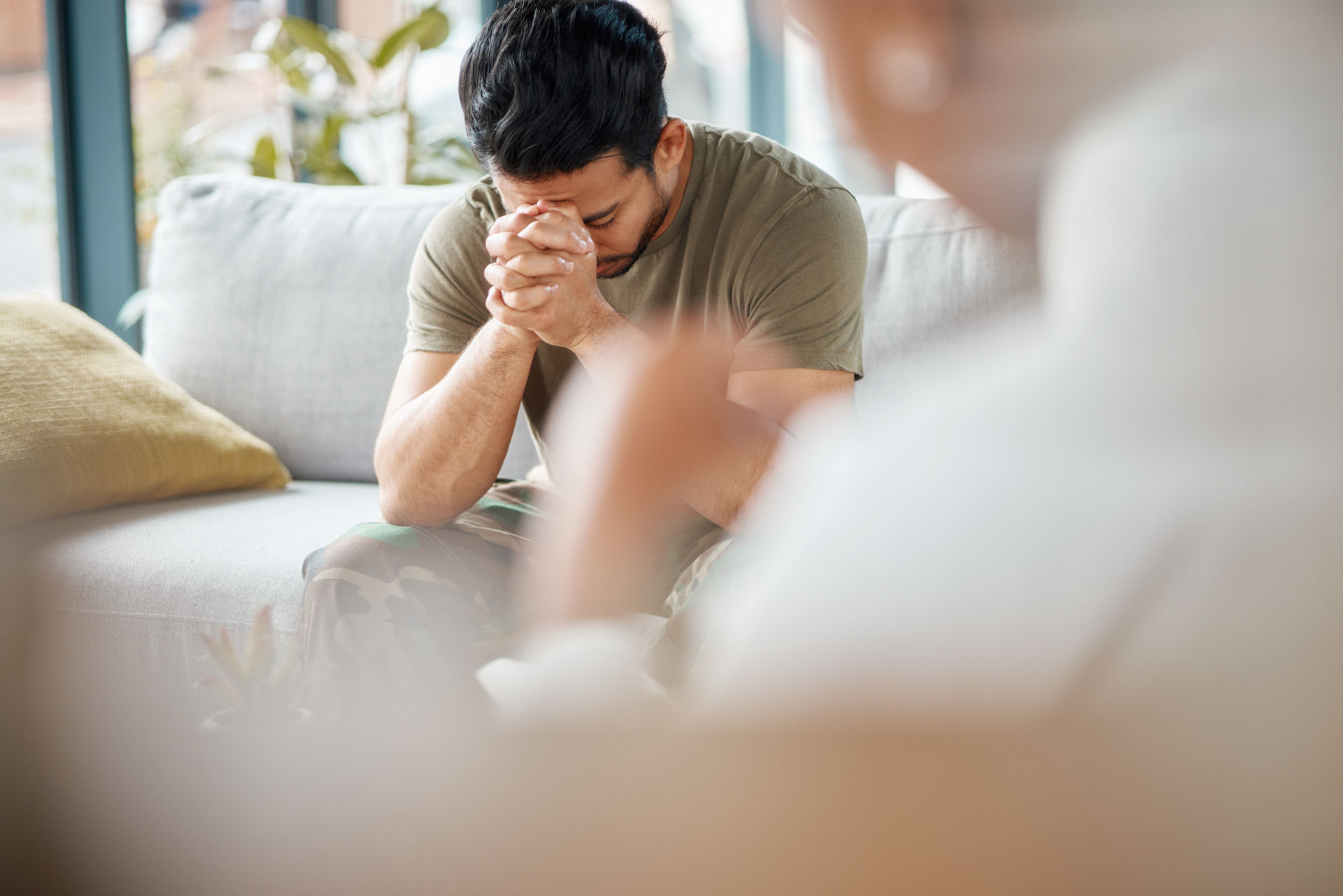

If you’ve ever asked yourself what is a halfway house and whether it’s the right next step in your recovery journey, you’re in the right place. A halfway house is a residential, supportive environment designed to help individuals transitioning out of intensive treatment regain stability before moving back to independent living. According to the American Addiction Centers, these facilities offer structured routines, on-site staff support, and connections to community resources [1]. If you’ve been searching for a clear halfway house definition, this article will lay out what you need to know.
Understanding halfway houses
Definition and purpose
You might wonder what are halfway houses and how they fit into the continuum of care. A halfway house provides safe, substance-free housing for people leaving inpatient rehab, mental health treatment, or incarceration. It bridges the gap between highly structured programs and full independent living by offering daily routines, peer support, and life-skills training.
Goals and services
The primary goals of a halfway house are to
- Create a healthy, family-like atmosphere that promotes accountability
- Offer individual and group counseling sessions to reinforce coping strategies
- Connect you with employment assistance, education resources, and community support
- Encourage gradual reentry into work, school, and social activities
On-site staff—often including house managers, peer mentors, and licensed clinicians—guide you through this transition. Their focus is on long-term recovery rather than punishment.
Comparing structured environments
Structure and freedom
Halfway houses and sober living houses both emphasize sobriety, but they differ in day-to-day structure:
| Feature | Halfway house | Sober living house |
|---|---|---|
| Daily routine | Mandatory group therapy, counseling, and check-ins | Flexible schedule, focus on independent recovery maintenance |
| Visitation | Pre-approved guests only, strict curfews | Guests allowed with house manager approval, more lenient curfew |
| Rules enforcement | Regular drug screenings, performance reviews | Random drug tests, peer accountability |
| Clinical support | Credentialed medical and mental health professionals on site | Peer-led support, house manager oversight |
| Funding | Often subsidized by government grants | Typically private pay or insurance coverage |
| Typical stay | 1–6 months | 3–12 months, can extend based on individual progress [2] |
These distinctions stem from the halfway house’s role as a more institutional bridge, compared to the autonomy you find in sober living. In the United States halfway houses provide structured treatment throughout the day with clinical staff coverage, whereas sober living homes emphasize maintaining sobriety with peer support [3].
Staff and support
In a halfway house you’ll engage with licensed counselors and medical staff who deliver intensive programming. By contrast, a sober living environment often relies on peer mentors and a house manager to ensure you stay on track. If you need ongoing clinical care or have co-occurring mental health concerns, a halfway house may offer the support you require.
Exploring population and rules
Typical halfway house residents
Residents of halfway houses often include people who are
- Fresh out of inpatient addiction treatment
- Reentering society after incarceration
- Recovering from acute psychiatric hospitalization
- Seeking a structured recovery setting before full independence
House rules explained
Rules at halfway houses aim to protect your well-being and reinforce healthy habits. Common requirements include
- Mandatory attendance at meetings and therapy sessions
- Curfews and overnight sign-in/sign-out procedures
- Random or scheduled drug screenings
- Restrictions on visitors without prior approval
- Participation in chores and community responsibilities
Violations can lead to warnings or removal from the program, especially in federally funded facilities. These rules build the framework for accountability but may feel restrictive if you crave autonomy.
Examining costs and funding
Cost factors
The cost of living in a halfway house varies based on factors such as
- Level of clinical care and services provided
- Local housing market prices and facility overhead
- Privacy options (private versus shared rooms)
- Program duration and intensity
Typical fees range from $400 to $800 per month, similar to renting a modest apartment, though you may pay weekly or monthly rent [2].
Subsidies and payments
Many halfway houses receive government grants or nonprofit funding, which can reduce your out-of-pocket costs. Payment models include
- Sliding-scale fees based on income or employment status
- Set weekly or monthly rates
- Acceptance of certain insurance plans or veteran benefits
If affordability is a priority, ask potential programs about available subsidies or payment assistance options.
Determining length of stay
Standard program duration
Halfway house stays typically range from one to six months. During this time, you focus on establishing sober support networks, securing employment, and finding permanent housing [3].
Flexible residency options
Sober living houses often allow you to stay three to twelve months or longer, depending on your progress and readiness for independent living. This flexibility can help you build confidence at your own pace without the strict timelines of institutional programs.
Addressing common misconceptions
Myth: halfway houses are prisons
It’s easy to confuse halfway houses with correctional facilities because of rules and monitoring. In reality, halfway houses prioritize recovery over punishment. You’re free to work, attend school, and engage in community activities as long as you adhere to program guidelines.
Myth: one-size-fits-all solution
No two halfway houses are identical. Programs vary in their clinical offerings, daily schedules, and levels of oversight. If you find the structure too rigid, a sober living environment might be a better fit—see our guide on difference between halfway house and sober living for more details.
Choosing the right path
Assessing recovery needs
To decide which option suits you best, consider
- Your need for intensive clinical care or mental health support
- How much structure you require to maintain sobriety
- Your comfort level with rules around curfews and guest visits
- Financial budget and availability of subsidies or insurance coverage
- Desired length of stay and program flexibility
Considering sober living
If you’re seeking a less institutional setting that still offers accountability, sober living at R & R Health may be the ideal next step. Our residences provide peer-led support, life-skills workshops, and connections to community resources in a substance-free environment. To explore transitional recovery housing beyond halfway houses, visit our page on halfway housing.
By understanding what a halfway house is, how it differs from sober living, and aligning your personal needs with program features, you can choose the environment that best supports your path to lasting recovery. If you have questions or need personalized guidance, reach out to R & R Health today.
References

Dr. Raffi J. Ghurabi, DO, MS, FACOI, DFAOAAM is a board-certified physician in Internal Medicine and Addiction Medicine who serves as Medical Director at R&R Health. He earned his Bachelor of Arts from the University of Chicago, his Master of Science in Physiology and Biophysics from Georgetown University, and his Doctor of Osteopathic Medicine from Michigan State University College of Osteopathic Medicine. Dr. Ghurabi brings extensive experience in addiction treatment, urgent care, and outpatient medical leadership, with a clinical focus on comprehensive patient care that includes management of substance use disorders, co-occurring chronic medical conditions, and laboratory monitoring. He is committed to providing compassionate, evidence-based care that supports each patient’s long-term recovery and overall health.