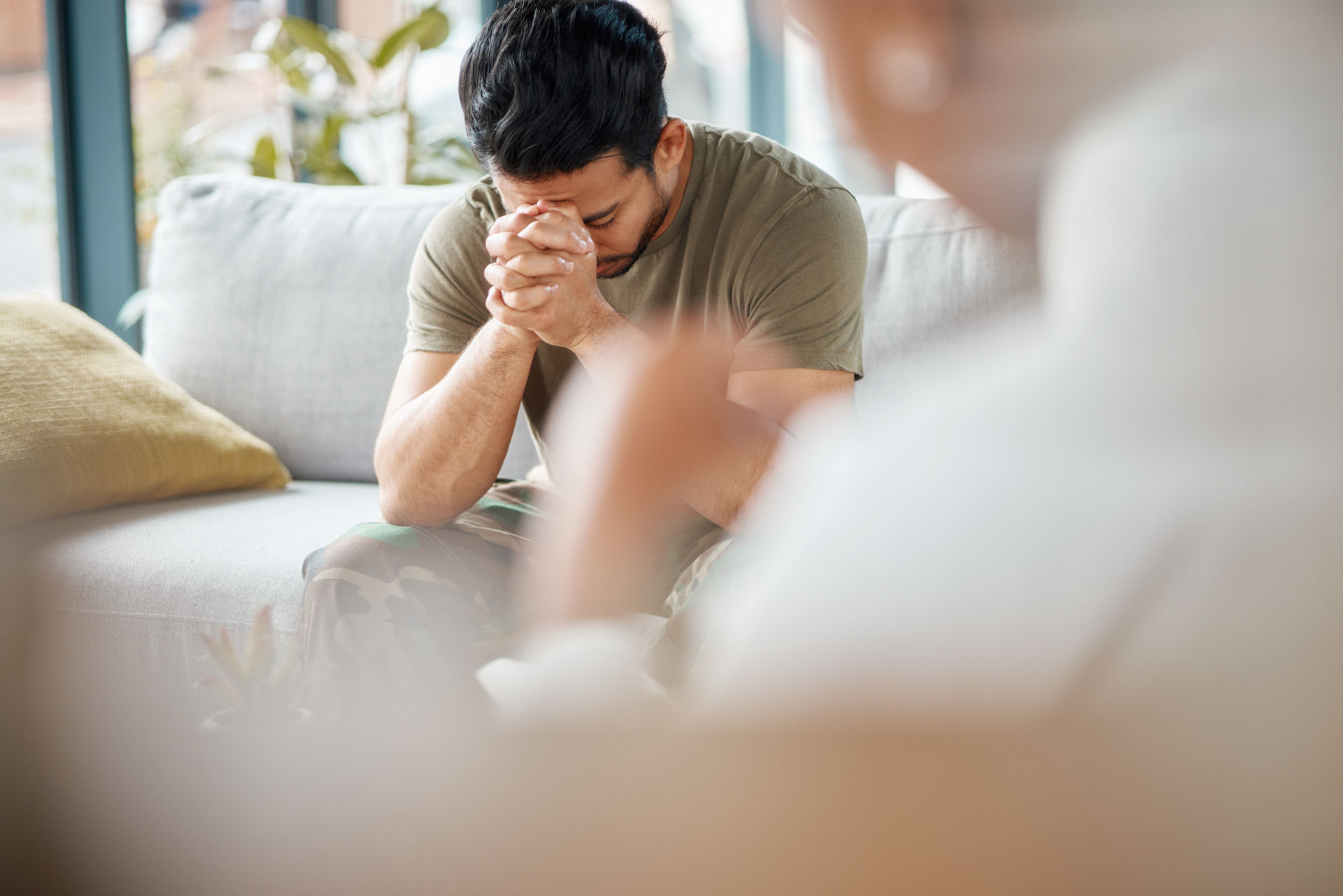

When you’re balancing the demands of depression and substance abuse, finding a level of care that offers both intensity and flexibility can feel overwhelming. An iop for depression and substance abuse may be the answer you’ve been looking for. By combining structured therapy, medication management, and holistic supports, an intensive outpatient program bridges the gap between full inpatient treatment and standard outpatient therapy, letting you address dual diagnosis in your daily life.
At R & R Health our dual diagnosis experts design each IOP to blend evidence-based therapies with medication management for co-occurring disorders and personalized relapse prevention planning. Whether you’re stepping down from inpatient care or seeking a comprehensive alternative to weekly outpatient sessions, you’ll find a supportive framework rooted in integrated behavioral health care and tailored to your needs.
Understand intensive outpatient program
What is intensive outpatient care
An intensive outpatient program (IOP) offers a higher level of support than traditional outpatient therapy by requiring multiple hours of treatment each week, while still letting you live at home. Typical IOP schedules include:
- Two to three hours of individual and group therapy
- Three to five days of sessions per week
- Total weekly commitment of at least nine hours [1]
Unlike inpatient or residential stays, IOPs let you maintain work, school, or family commitments. You’ll practice coping skills in real-world settings while attending a mental health and addiction recovery center or virtual IOP.
Who benefits from an IOP
IOPs are often a transitional step for people who:
- Have completed inpatient or partial hospitalization care and need continued structure [2]
- Experience moderate addiction severity or depression that’s not sufficiently addressed by weekly therapy
- Require integrated support for dual diagnosis and prefer to remain in a community environment
If you’ve struggled to engage in weekly counseling alone, or if you need more accountability than standard outpatient treatment for co-occurring disorders, an IOP can offer the right balance of intensity and independence.
Explore treatment components
Therapy modalities
IOPs use a mix of therapeutic approaches to target both your mood symptoms and substance use patterns. Common modalities include:
- Cognitive behavioral therapy (CBT) to identify negative thought patterns and build coping skills
- Motivational interviewing and enhancement therapy to resolve ambivalence and strengthen commitment
- 12-Step facilitation rooted in Alcoholics Anonymous principles for peer support and community engagement [3]
- Family integration sessions to repair relationships and align your support network [4]
Cognitive behavioral therapy
CBT helps you recognize triggers for both depression and substance use, teaching you how to replace unhelpful thoughts with healthier alternatives. Practicing these strategies during your day-to-day life reinforces long-term change.
Motivational enhancement therapy
Through structured feedback and goal-setting, you explore personal values and build intrinsic motivation. This compassionate yet directive approach can be particularly powerful when you’re unsure about making major lifestyle changes.
Medication management
Managing medications safely is a cornerstone of integrated care. Under psychiatric supervision you’ll receive:
- Antidepressants or mood stabilizers tailored to your diagnosis
- FDA-approved medications to reduce cravings or ease withdrawal
- Regular medication reviews to optimize dosing and minimize side effects [5]
Having on-site medical oversight ensures you get the right pharmacotherapy alongside your therapy sessions.
Holistic supports
To complement clinical treatments, many IOPs include:
- Expressive arts therapy and music therapy
- Yoga, mindfulness, and meditation classes
- Nutrition counseling and exercise planning
- Peer-led support groups
These offerings foster overall wellness, helping you build resilience beyond traditional talk therapy.
Compare treatment levels
IOP vs outpatient therapy
Traditional outpatient therapy usually involves one session per week. In contrast, IOPs provide a minimum of nine hours of therapy spread across multiple days, creating more consistent accountability and peer connection.
IOP vs partial hospitalization
Partial hospitalization programs (PHP) are more intensive, often requiring daily attendance for up to six hours. While PHPs can be ideal for acute episodes, IOPs offer greater flexibility for those who need robust care but also want to remain in their home environment.
| Feature | Outpatient therapy | Intensive outpatient program | Partial hospitalization program |
|---|---|---|---|
| Weekly hours | 1–2 | 9–15 | 20–25 |
| Living situation | Home | Home or sober living | Day program, return home |
| Peer support | Limited | Group therapy 3–5 days/week | Group therapy daily |
| Best for | Mild to moderate symptoms | Moderate to severe dual diagnosis | Severe or acute symptoms |
Review research findings
Evidence on substance use outcomes
Studies show that IOPs reduce alcohol and drug use at rates comparable to inpatient treatments, with 50 to 70 percent of participants maintaining abstinence at follow-up [1]. The Matrix Model, a 16-week IOP approach, demonstrated significant long-term reductions in stimulant use and improvements in employment outcomes.
Evidence on depression outcomes
Research indicates that structured IOPs combining CBT with medication management significantly lower depressive symptoms over four to six weeks [2]. Virtual IOPs for teens have also shown marked improvements in moderate to severe depression and anxiety [6].
Prepare for participation
Assessment and planning
Before starting an IOP you’ll undergo a personalized evaluation to confirm the right level of care. Qualified clinicians will assess:
- Symptom severity for depression and substance abuse
- Medical and psychiatric history
- Social supports and living environment
This ensures you’re matched with an outpatient treatment for co-occurring disorders that meets your needs and insurance requirements.
Setting realistic goals
Working with your care team, you’ll establish short-term and long-term targets such as:
- Reducing substance use by a specific percentage
- Developing three new coping skills for depressive episodes
- Rebuilding relationships through weekly family sessions
Clear objectives help you measure progress and stay motivated throughout your IOP journey.
Find the right program
Choosing R & R Health
At R & R Health our dual diagnosis program that accepts insurance blends clinical expertise with compassionate support. You’ll benefit from:
- Evidence-based co-occurring disorder treatment led by licensed therapists
- On-site psychiatric care for addiction and mental health
- Personalized relapse prevention planning backed by ongoing medication management
- A holistic mental health and addiction care approach that includes mindfulness and peer support
We work directly with major insurers so you can focus on recovery, not paperwork.
Verifying insurance coverage
Before you begin, our admissions team will:
- Confirm your insurance benefits for IOP services
- Explain any copayments or deductibles
- Coordinate pre-authorization if required
If your plan covers PHP for anxiety and addiction or an outpatient rehab for dual diagnosis recovery, we’ll guide you through every step.
Sustain long term recovery
Aftercare options
Completing an IOP is a major milestone, but long term success often requires ongoing support. Aftercare may include:
- Structured dual diagnosis aftercare groups
- Outpatient counseling for dual diagnosis
- Faith-based dual diagnosis treatment program referrals
- Peer recovery meetings and alumni networks
These resources help you maintain momentum and prevent relapse.
Relapse prevention strategies
Building on what you learn in IOP, you’ll create a personalized relapse prevention plan featuring:
- Daily mood and craving tracking
- Emergency contacts and crisis action steps
- Regular check-ins with your therapist or psychiatrist
- Lifestyle changes such as exercise, sleep hygiene, and nutrition
By combining these strategies with the skills you’ve practiced, you’ll strengthen your resilience and continue your path toward long term recovery for co-occurring disorders.
Finding hope with an intensive outpatient program is about more than attending sessions. It’s about transforming your daily life with a tailored blend of therapy, medication, and peer support. With the right preparation, an experienced team at R & R Health, and ongoing aftercare, you can build a foundation for lasting wellness and freedom from both depression and substance abuse.
References
- (PMC – NCBI)
- (Verywell Mind)
- (NCBI Bookshelf)
- (dual diagnosis therapy with family integration)
- (medication management for co-occurring disorders)
- (Charlie Health)

Dr. Raffi J. Ghurabi, DO, MS, FACOI, DFAOAAM is a board-certified physician in Internal Medicine and Addiction Medicine who serves as Medical Director at R&R Health. He earned his Bachelor of Arts from the University of Chicago, his Master of Science in Physiology and Biophysics from Georgetown University, and his Doctor of Osteopathic Medicine from Michigan State University College of Osteopathic Medicine. Dr. Ghurabi brings extensive experience in addiction treatment, urgent care, and outpatient medical leadership, with a clinical focus on comprehensive patient care that includes management of substance use disorders, co-occurring chronic medical conditions, and laboratory monitoring. He is committed to providing compassionate, evidence-based care that supports each patient’s long-term recovery and overall health.