
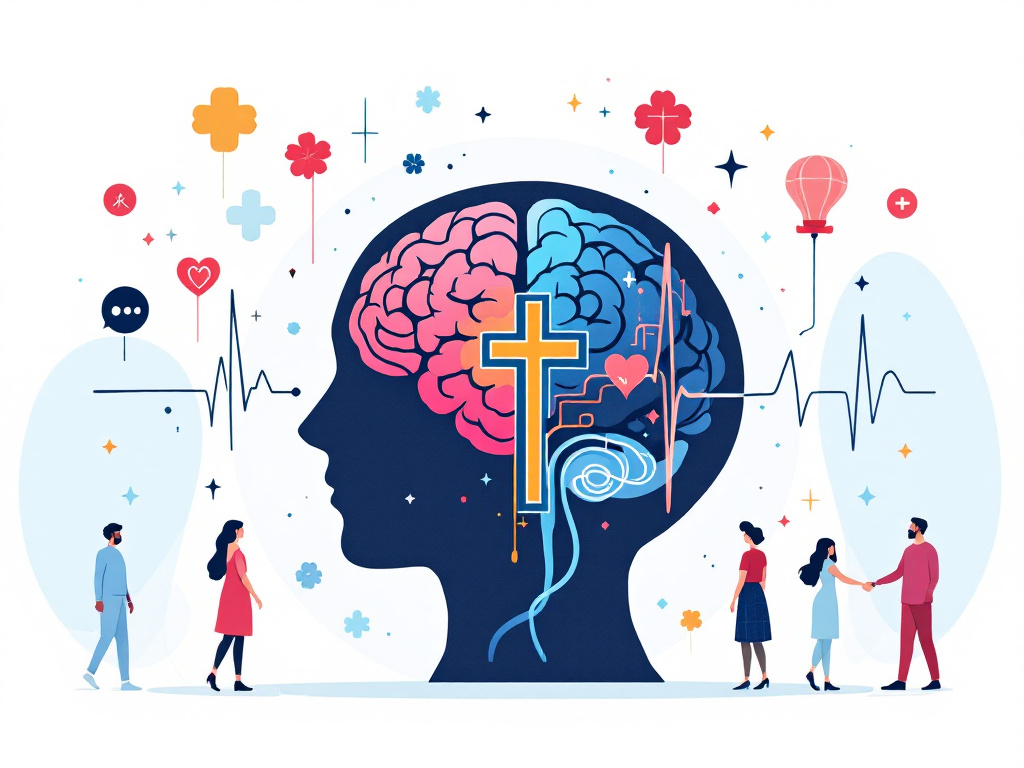
Integrated behavioral health care can transform your treatment if you’re managing both mental health conditions and substance use challenges. By combining medical services and behavioral health interventions in one coordinated setting, this model delivers whole-person care that addresses the full spectrum of your needs [1]. When you enter an integrated care program, you benefit from seamless communication among providers, reduced delays in care delivery, and unified treatment goals that lead to better outcomes for dual diagnosis recovery.
Understanding integrated behavioral health care
Defining the concept
Integrated behavioral health care brings medical clinicians and behavioral health specialists together on a single team. Instead of referring you out for mental health or addiction services, your primary care provider, therapist, psychiatrist, and care manager collaborate in real time. This approach breaks down silos between physical and behavioral health, making it easier for you to access services, stay engaged in treatment, and experience fewer gaps in care.
Evolution of the model
The integrated care concept grew out of the patient-centered medical home movement, which emphasizes coordinated, comprehensive care focused on individual needs. As of 2024, integrating behavioral health into primary and specialty care is considered a core function of advanced medical homes [1]. Over time, evidence has shown that collaborative care and co-location of services reduce costs, enhance patient satisfaction, and improve clinical outcomes.
Key components of integrated care
Collaborative team-based care
At the heart of integrated behavioral health care is a team-based approach. Your care team typically includes:
- A primary care provider who monitors your physical health
- A behavioral health manager or therapist who delivers brief interventions
- A consulting psychiatrist for medication management
- Care coordinators who ensure smooth transitions between services
This structure mirrors the Collaborative Care Model, where measurement-based treatment and case reviews guide care decisions [2].
Measurement-based treatment
In integrated settings, clinicians use standardized tools to track your symptoms, treatment adherence, and functional status at each visit. Measurement-based care helps your team adjust therapy or medications quickly if you’re not improving, ensuring you receive the right level of support throughout your dual diagnosis journey.
Care coordination across disciplines
Effective coordination means your providers share electronic health records, discuss your progress in regular team huddles, and align on treatment goals. This unified approach avoids conflicting recommendations and streamlines referrals, whether you need medication management for co-occurring disorders or a referral to a specialized co-occurring disorder rehab program.
Benefits for dual diagnosis treatment
Whole-person care
When you have both a mental health condition and a substance use disorder, treating these issues in isolation can lead to fragmented care. Integrated behavioral health care addresses your emotional, physical, and social needs together, improving your ability to manage chronic conditions and reducing the risk of relapse.
Improved clinical outcomes
Studies show integrated models lead to measurable improvements, including reductions in depression symptoms, better quality of life, and enhanced social functioning among patients with mental illnesses [3]. You’re more likely to stick with treatment when your team addresses all aspects of your health in a coordinated manner.
Reduced stigma and better access
By embedding behavioral health services in primary care or general medical settings, integrated care reduces the stigma often associated with traditional mental health clinics. You can access therapy, medication evaluation, and health behavior counseling under the same roof as your routine medical visits, making it easier to engage in ongoing treatment.
R and R Health’s integrated approach
Blending therapy and medication management
At R and R Health, we specialize in dual diagnosis care by combining evidence-based psychotherapy with precise medication management. Your treatment plan may include:
| Service | Purpose |
|---|---|
| Cognitive Behavioral Therapy | Helps you identify and change thought patterns contributing to substance use and mood disorders |
| Motivational Interviewing | Builds your readiness to change by exploring personal goals |
| Psychiatric consultation | Adjusts medications that target both mental health and addiction symptoms |
This integrated therapy framework ensures you receive cohesive support, whether you’re addressing anxiety, depression, or cravings.
Relapse prevention strategies
Relapse prevention is built into every phase of your care. We teach you coping skills for high-risk situations, provide ongoing support through individual and group sessions, and use data-driven practices to monitor triggers and early warning signs. By proactively addressing stressors, you maintain momentum toward lasting recovery.
Personalized care plans
Your R and R Health team crafts a plan tailored to your unique needs—considering factors like co-occurring disorders, personal history, and social determinants of health. You may transition seamlessly from inpatient stabilization to outpatient therapy for dual diagnosis clients or step up to an intensive PHP for anxiety and addiction program if additional support is needed.
Insurance coverage and financing
Verifying your benefits
Before you begin treatment, we work with you to verify insurance coverage and file authorizations. Many plans cover integrated behavioral health services under collaborative care or general BHI (Behavioral Health Integration) codes. Medicare and private insurance often reimburse services such as therapy, psychiatric consultation, and care management [4].
Covered service models
Depending on your plan, you may have access to:
- The Psychiatric Collaborative Care Model (CoCM), which includes a consulting psychiatrist, care manager, and treating practitioner
- General Integrated Behavioral Health, where your primary care provider delivers brief behavioral interventions
- Specialty programs like dual diagnosis program that accepts insurance
Understanding your coverage helps you choose a program that aligns with your financial situation and clinical needs.
Out-of-pocket considerations
Co-pays, deductibles, and coinsurance vary by service and insurer. We provide transparent estimates for your portion of costs and explore funding alternatives, such as sliding-scale fees or grant assistance, to reduce financial barriers.
Starting your treatment journey
Assessing your needs
Your first step is a comprehensive evaluation that screens for mental health symptoms, substance use patterns, medical history, and social factors. This assessment guides your care team in recommending the most appropriate services, whether you begin with an outpatient treatment for co-occurring disorders program or more intensive support.
Choosing the right program
Based on your evaluation, you may enter:
- An intensive outpatient program, like IOP for depression and substance abuse
- A partial hospitalization program, such as PHP for anxiety and addiction
- Outpatient counseling with integrated therapy methods
Selecting the right level of care ensures you receive enough structure and support without unnecessary constraints.
Engaging in integrated therapy
Once your treatment starts, you’ll attend regular sessions with your behavioral health manager, primary care provider, and consulting psychiatrist. You’ll use measurement tools to track your progress, adjust medications as needed, and participate in skills-based groups that address both mental health and addiction recovery.
Resources and next steps
Internal support programs
- Explore our evidence-based co-occurring disorder treatment services for proven therapies
- Learn about holistic mental health and addiction care options that integrate mind-body practices
- Discover our dual diagnosis therapy with family integration to involve loved ones in your recovery
External references and guides
- Agency for Healthcare Research and Quality on integrated behavioral health care [1]
- Collaborative Care Model overview from Carelon Behavioral Health [2]
- Evidence on team-based primary care integration [3]
By choosing integrated behavioral health care, you take control of your recovery through a unified, evidence-based approach that treats your whole self. Whether you’re seeking outpatient support or a comprehensive dual diagnosis program, R and R Health stands ready to guide you toward sustainable wellness.
References

Dr. Raffi J. Ghurabi, DO, MS, FACOI, DFAOAAM is a board-certified physician in Internal Medicine and Addiction Medicine who serves as Medical Director at R&R Health. He earned his Bachelor of Arts from the University of Chicago, his Master of Science in Physiology and Biophysics from Georgetown University, and his Doctor of Osteopathic Medicine from Michigan State University College of Osteopathic Medicine. Dr. Ghurabi brings extensive experience in addiction treatment, urgent care, and outpatient medical leadership, with a clinical focus on comprehensive patient care that includes management of substance use disorders, co-occurring chronic medical conditions, and laboratory monitoring. He is committed to providing compassionate, evidence-based care that supports each patient’s long-term recovery and overall health.