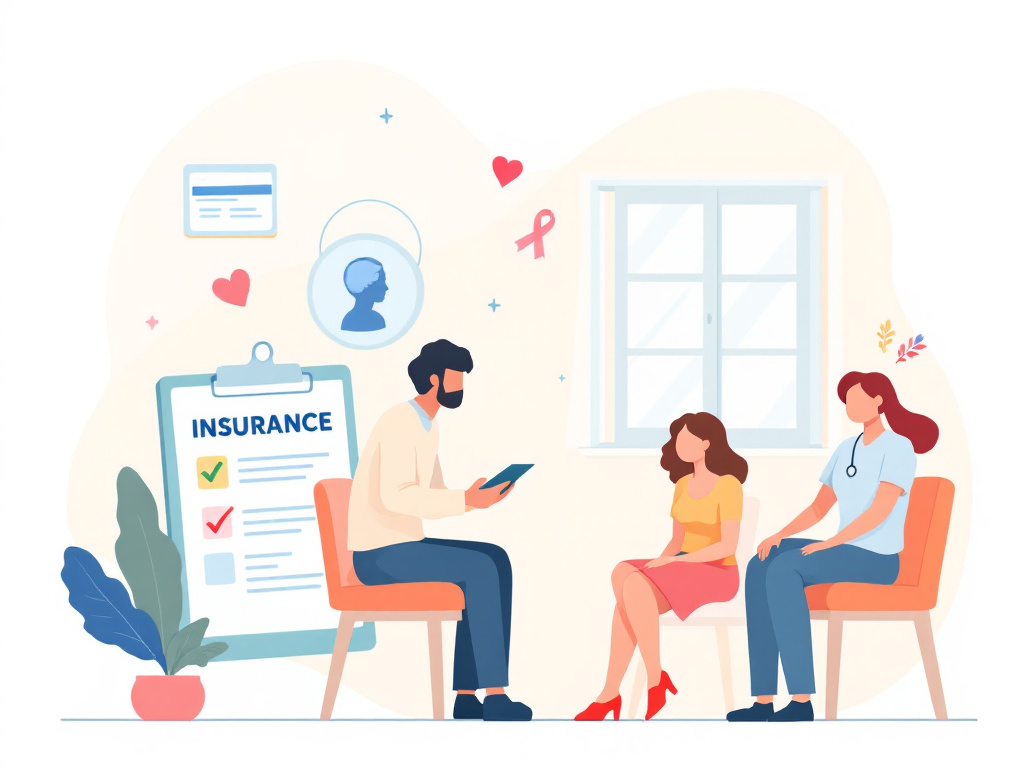
You’re looking for a dual diagnosis program that accepts insurance and offers integrated care for both mental health and substance use disorders. Finding an affordable option means understanding how programs work, what treatment levels are available, and how your insurance can help cover costs. This guide walks you through each step, so you can confidently choose a program that meets your needs and budget.
Understand dual diagnosis
Define dual diagnosis
Dual diagnosis refers to the simultaneous presence of a mental health disorder and a substance use disorder. Symptoms of one condition often worsen the other, making integrated treatment essential. According to the Cleveland Clinic, treating both conditions at once gives you the best chance at long-term recovery.
Importance of integrated care
When mental health and addiction are addressed separately, gaps in care can lead to relapse or untreated symptoms. An integrated approach ensures that therapists, psychiatrists, and medical staff collaborate on a single treatment plan. You may find this model through an integrated behavioral health care provider, where your entire care team shares progress notes and strategies.
Navigate insurance coverage
Mental Health Parity laws
Under the Mental Health Parity and Addiction Equity Act, most health plans must cover mental health and substance use services on par with medical and surgical benefits. Marketplace plans under the Affordable Care Act also list these services as essential health benefits [1]. This means inpatient rehab, outpatient therapy, medication management, and aftercare should receive at least partial coverage.
Verifying your benefits
To confirm what’s covered:
- Review your insurance summary of benefits and coverage (EOB) online.
- Call your insurer’s customer service number and ask specifically about “dual diagnosis program” coverage.
- Use free benefit verification services offered by centers like Sandstone Care or Avenues Recovery Center to clarify deductibles and co-pays [2].
- Check if your plan requires prior authorization or has network restrictions.
Having clear cost estimates helps you compare programs and avoid unexpected bills.
Compare program levels
Choosing the right level of care depends on the severity of your symptoms, your support system, and daily responsibilities. Here’s how common levels compare:
| Level of care | Description | Insurance coverage typical |
|---|---|---|
| Inpatient dual diagnosis rehab | 24/7 medical and psychiatric care in a residential setting | Often covered under inpatient benefits |
| Partial hospitalization program (PHP) | Daytime structured treatment, returns home evenings | Covered as outpatient day treatment |
| Intensive outpatient program (IOP) | Several weekly therapy sessions, keeps regular schedule | Covered under outpatient therapy |
| Standard outpatient treatment | Weekly individual or group therapy | Covered under outpatient therapy |
- Inpatient rehab gives the most oversight but often costs more upfront.
- A php for anxiety and addiction or iop for depression and substance abuse can be more affordable while still offering intensive support.
- Outpatient treatment for co-occurring disorders is ideal if you have a stable home environment and milder symptoms.
Explore treatment approaches
Evidence-based therapies
Integrating research-backed therapies ensures your care plan addresses both disorders effectively. Common modalities include:
- Cognitive behavioral therapy (CBT) to change harmful thought patterns
- Dialectical behavior therapy (DBT) to build emotional regulation
- Motivational interviewing (MI) for enhancing readiness to change
- Trauma-informed care to process underlying trauma safely
Many centers market these options under evidence-based co-occurring disorder treatment.
Medication management
Medications can stabilize mood, reduce cravings, and support sobriety. A dual diagnosis program often pairs therapy with:
- Antidepressants or mood stabilizers
- Anti-anxiety medications
- Medication-assisted treatment (MAT) such as buprenorphine for opioid use
- Regular psychiatric review to adjust dosages
Look for programs that highlight medication management for co-occurring disorders.
Consider holistic supports
Mind-body therapies
Complement traditional treatments with holistic practices that enhance well-being:
- Yoga and meditation for stress reduction
- Art or music therapy to express emotions
- Nutritional counseling to support brain health
Centers focused on wellness may offer holistic mental health and addiction care.
Family integration
Involving loved ones in therapy can boost accountability and repair relationships. Ask if a program includes dual diagnosis therapy with family integration to strengthen your support system.
Evaluate dual diagnosis experts
R & R Health overview
R & R Health has built its reputation on blending multiple modalities—therapeutic, medical, and holistic—to treat co-occurring disorders. You’ll work with psychiatrists, therapists, and case managers who coordinate your care.
What sets us apart
- Customized treatment plans based on a thorough assessment
- On-site medical detox and ongoing psychiatric care [3]
- Relapse prevention strategies woven into every therapy session
- Insurance verification support to minimize your out-of-pocket expense
Our role is to guide you through every phase, from detox to long term recovery for co-occurring disorders.
Plan for aftercare
Long-term recovery strategies
Recovery doesn’t end when formal treatment wraps up. Effective aftercare options include:
- Outpatient therapy sessions [4]
- Support groups like Alcoholics Anonymous or SMART Recovery
- Regular check-ins with your prescribing psychiatrist
Structured day programs
Some people benefit from ongoing day programs that provide community and accountability. Consider a structured dual diagnosis aftercare plan to help you maintain progress.
Choose the right program
Accreditation and credentials
Ensure any center you consider is accredited by The Joint Commission or CARF. Accreditation signals adherence to high clinical standards.
Location and convenience
Balance proximity with program quality. A local outpatient option may be easier to attend daily, but a residential retreat in a serene setting can offer fewer distractions.
Insurance and cost estimates
Get itemized cost breakdowns and ask about sliding-scale fees or scholarship options. Centers like The Farley Center in Virginia offer complimentary insurance verification and accept most major plans, helping you plan your budget in advance [5].
Conclusion
Securing a dual diagnosis program that accepts insurance means understanding your coverage, comparing levels of care, and evaluating treatment approaches. By exploring accredited providers, you can find a program that blends evidence-based therapies, medication management, and holistic supports. When you partner with a center like R & R Health, you gain an expert team committed to your integrated recovery journey, backed by insurance guidance every step of the way. Take the first step today toward comprehensive, affordable care designed for your unique needs.
References
- (Rehabs.com)
- (Recovery.com)
- (psychiatric care for addiction and mental health)
- (outpatient counseling for dual diagnosis)
- (Farley Center)

Dr. Raffi J. Ghurabi, DO, MS, FACOI, DFAOAAM is a board-certified physician in Internal Medicine and Addiction Medicine who serves as Medical Director at R&R Health. He earned his Bachelor of Arts from the University of Chicago, his Master of Science in Physiology and Biophysics from Georgetown University, and his Doctor of Osteopathic Medicine from Michigan State University College of Osteopathic Medicine. Dr. Ghurabi brings extensive experience in addiction treatment, urgent care, and outpatient medical leadership, with a clinical focus on comprehensive patient care that includes management of substance use disorders, co-occurring chronic medical conditions, and laboratory monitoring. He is committed to providing compassionate, evidence-based care that supports each patient’s long-term recovery and overall health.